info@gfs-cm.com 121, Zone de fret, Aéroport de Douala, Cameroun +237 677 00 31 31 / +237 694 23 27 15

export agricultural products from Cameroon

loginet

Exporting Agricultural Products from Cameroon: Markets and Procedures

Cameroon produces a wide variety of agricultural products that are in demand abroad: cocoa, coffee, Penja pepper, fruit, spices and processed products. However, to export agricultural products from Cameroon, you need to choose your market carefully and follow precise procedures. Otherwise, your goods may be held at departure or rejected on arrival. Here are the markets to target and the steps to follow for a successful export.

Promising markets for Cameroonian products

  • The European Union: France, Belgium and the Netherlands are the main destinations for cocoa, coffee, fruit and spices.
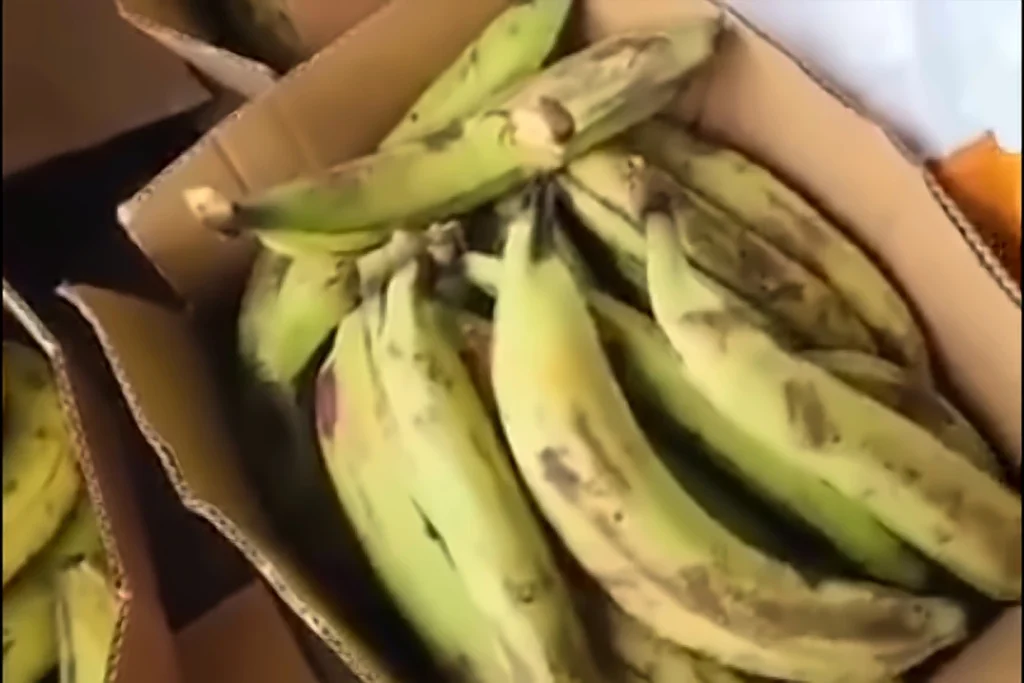
  • The African diaspora in Europe: strong demand for local products (cassava sticks, ndolé, spices, flours, plantain).
  • The CEMAC zone: Gabon, Congo, Equatorial Guinea and Chad, reachable by road or by air.
  • Nigeria and West Africa: a large market for food crops.
  • Asia and the Middle East: new outlets for cocoa, coffee and certain spices.

Steps to export your agricultural products

  • Register as an exporter: company registration, Taxpayer Identification Number (NIU) and, for certain sectors, registration with the relevant body (for example the ONCC – National Cocoa and Coffee Board – for cocoa and coffee).
  • Check the destination country’s rules: health standards, pesticide residue limits, labelling and prohibited products.
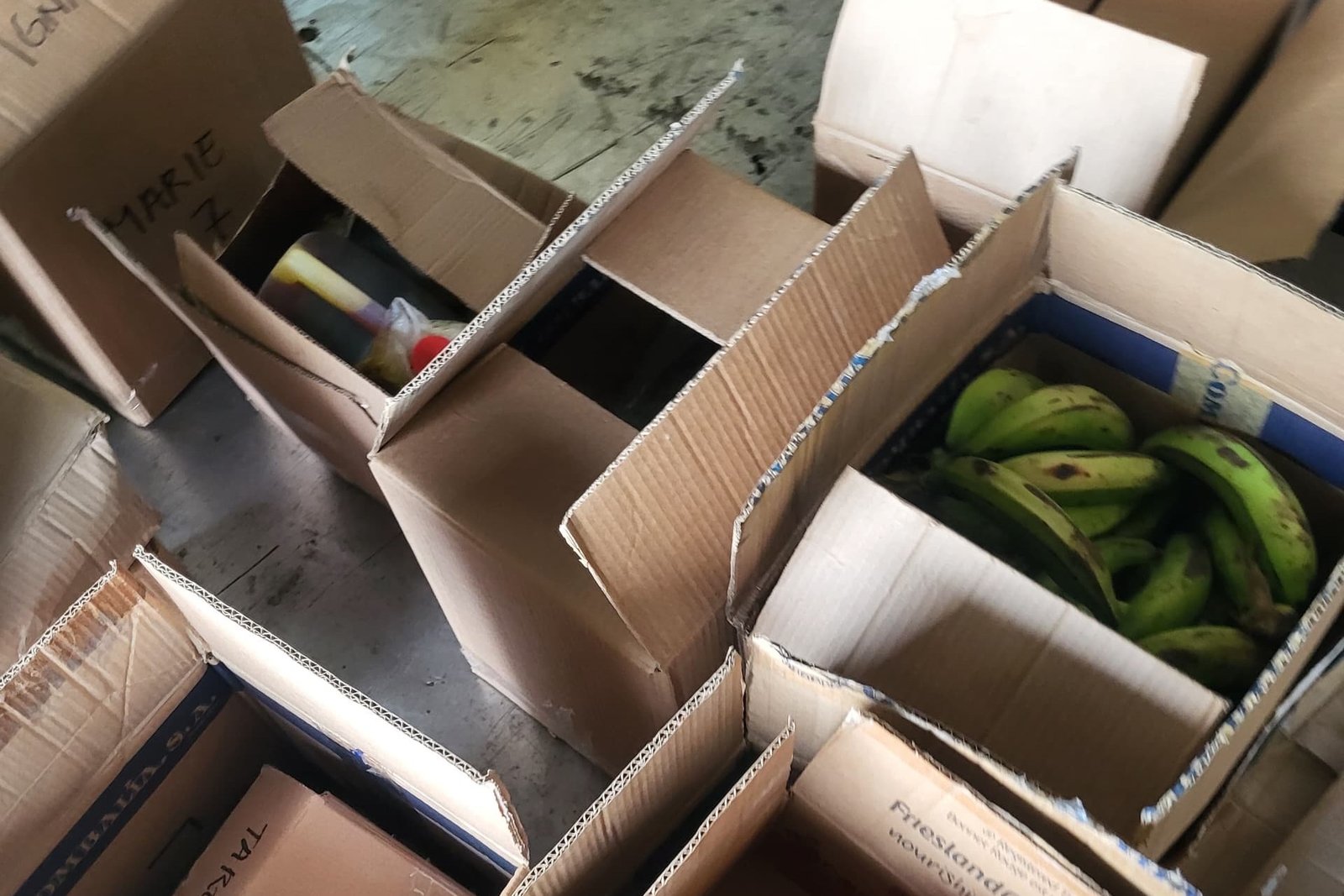
  • Prepare and pack the goods: packaging suited to the product and the mode of transport, especially for perishable goods.
  • Have the goods inspected: inspection by the phytosanitary service for plant products.
  • Declare the export to customs: filing of the declaration, usually through a licensed freight forwarder.
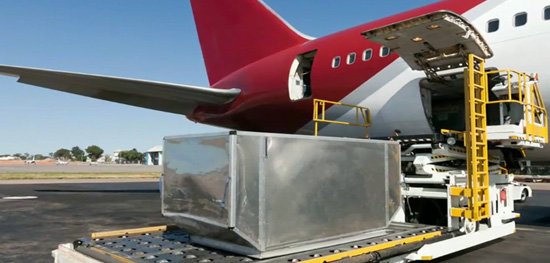
  • Book transport: air freight for fresh products, sea freight for large volumes of non-perishable goods.

Documents to prepare

  • Commercial invoice, with the value and an accurate description of the products
  • Packing list, detailing the contents of each package
  • Phytosanitary certificate, issued after inspection of plant products
  • Certificate of origin, often required by the importer or the customs of the destination country
  • Transport document: air waybill (AWB) or bill of lading
  • Specific certificates depending on the product and destination (quality, lab analyses, traceability)

Air or sea freight: which transport to choose?

For fresh products (fruit, vegetables, leaves, plantain), air freight is the best choice: the goods arrive within a few days and stay fresh. For dry products and large volumes (cocoa, coffee, flours), sea freight is much more economical. For small exporters, air consolidation is an attractive option. With GFS, for example, you can ship your goods to Paris from 1,325 FCFA/kg, and to Brussels and Liège from 1,700 FCFA/kg, paying only for the weight of your goods.

loginet

Export your agricultural products with GFS. From our offices in Douala, Yaoundé, Brazzaville, and Pointe-Noire. We handle packaging, customs and phytosanitary formalities, and the shipment of your products to Europe and around the world. Discover our service or request a quote.