info@gfs-cm.com 121, Zone de fret, Aéroport de Douala, Cameroun +237 677 00 31 31 / +237 694 23 27 15

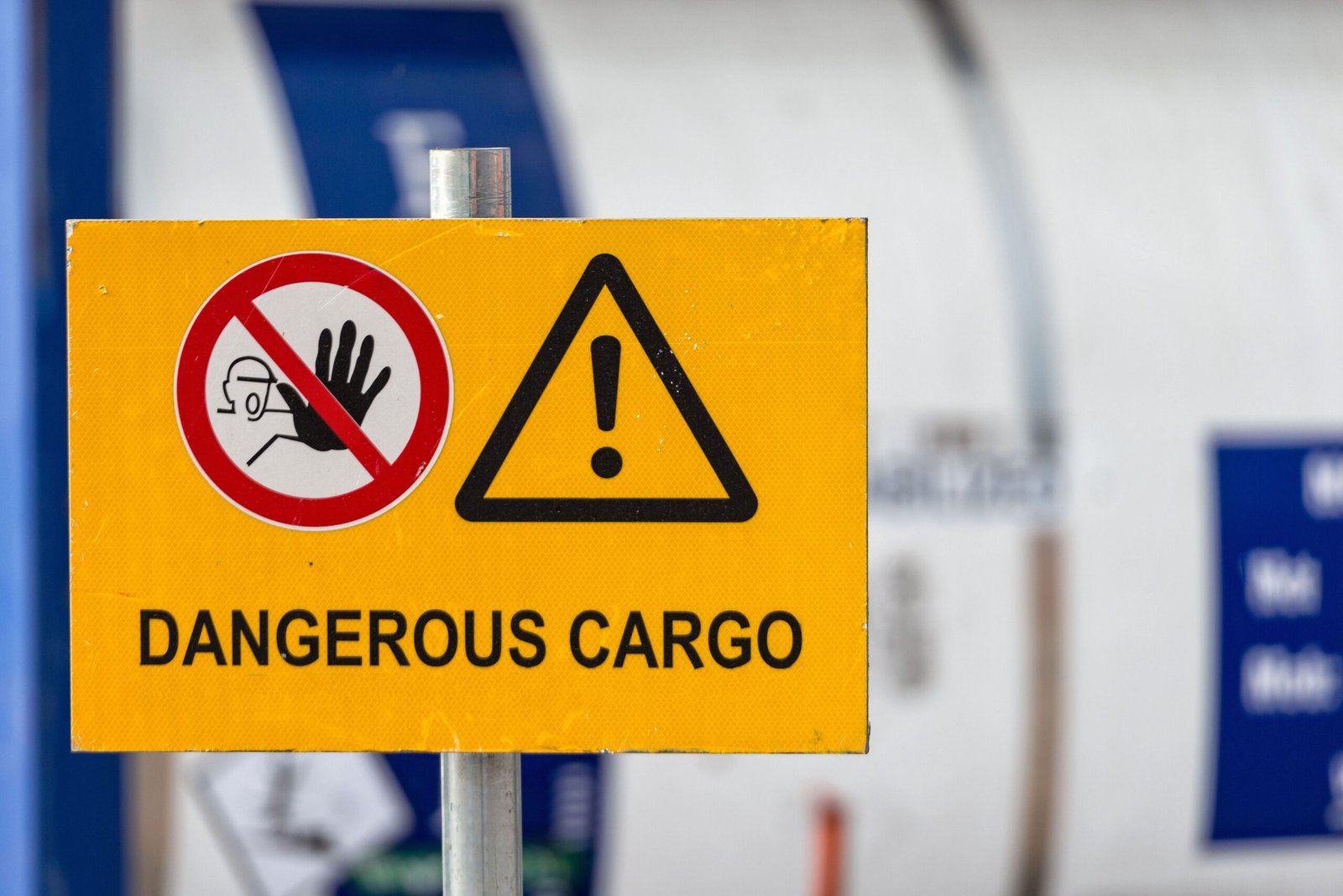
DANGEROUS GOODS IN AIR FREIGHT

loginet

Dangerous Goods in Air Freight: What You Need to Know Before Shipping

Batteries, perfumes, paints, chemicals, dry ice… Many everyday goods are classified as “dangerous” for air transport. They can travel by plane, but under strict conditions. A single mistake can lead to refused loading, delays or a fine.

Qu'est-ce qu'une marchandise dangereuse ? What is a dangerous good? It is any substance or item that poses a risk to the safety of the flight, people or property. IATA (International Air Transport Association) regulations divide them into 9 classes, including:

  • gases: aerosols, gas cylinders
  • flammable liquids: perfumes, paints, certain solvents
  • corrosive substances: acids, wet batteries
  • miscellaneous dangerous goods (Class 9): lithium batteries, dry ice

The case of lithium batteries Lithium batteries are now the most commonly shipped dangerous goods. The rules vary depending on their type (lithium-ion or lithium-metal) and how they are packed:

  • Batteries shipped alone: lithium-ion batteries shipped on their own are forbidden on passenger aircraft and may only travel on cargo aircraft, with a limited state of charge.
  • Batteries packed with equipment or contained in equipment (phones, laptops): they follow less strict rules, but remain regulated.

IATA regulations are updated every year, and some airlines apply stricter rules. Contact us before any shipment to check your goods.

loginet

Ship your dangerous goods in full compliance with regulations. GFS handles dangerous goods for air freight in accordance with IATA regulations. We verify the classification, provide approved packaging, and prepare the necessary documentation. Discover our services or request a quote by attaching your product’s safety data sheet.